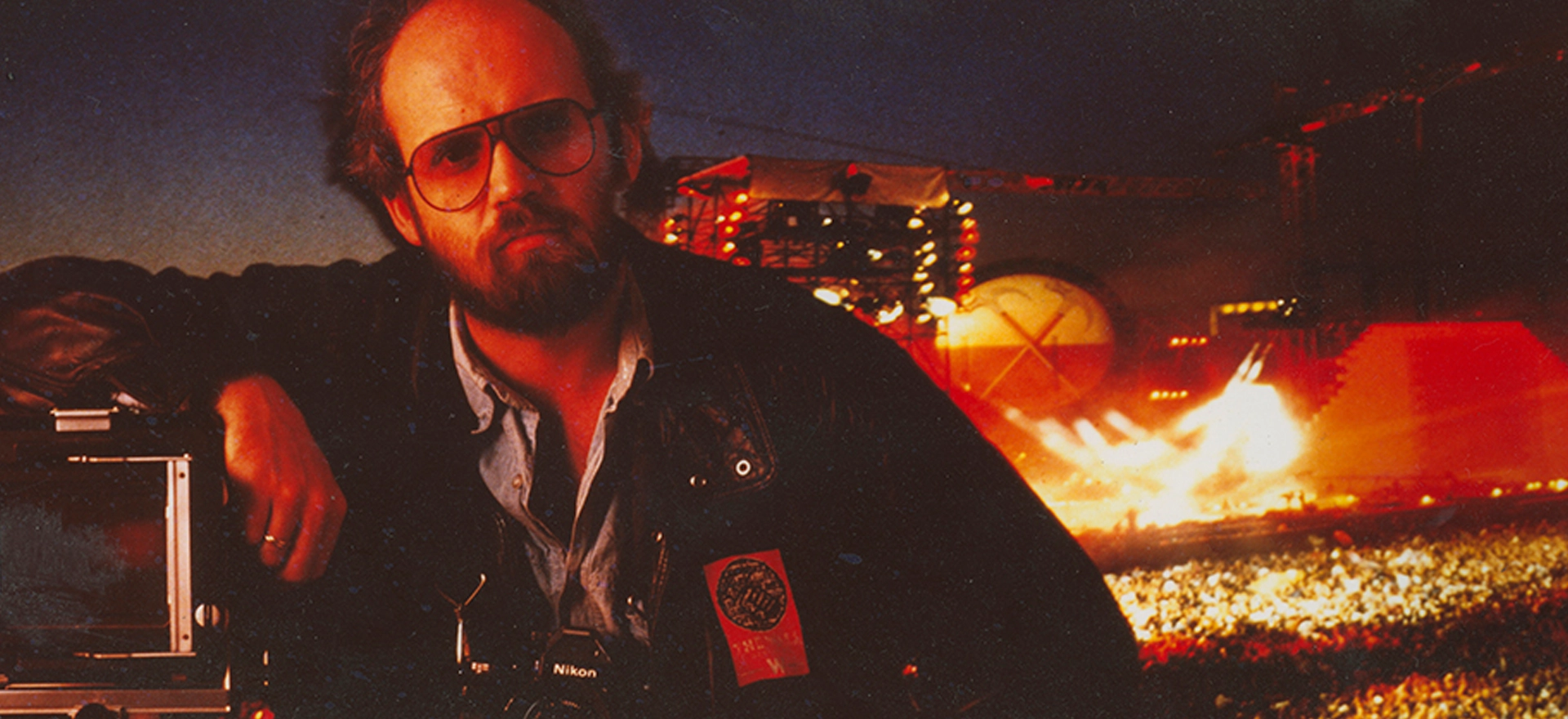
about nik
Concert photographer, accidental banker and the man behind the Unseen Collection.
In the beginning…
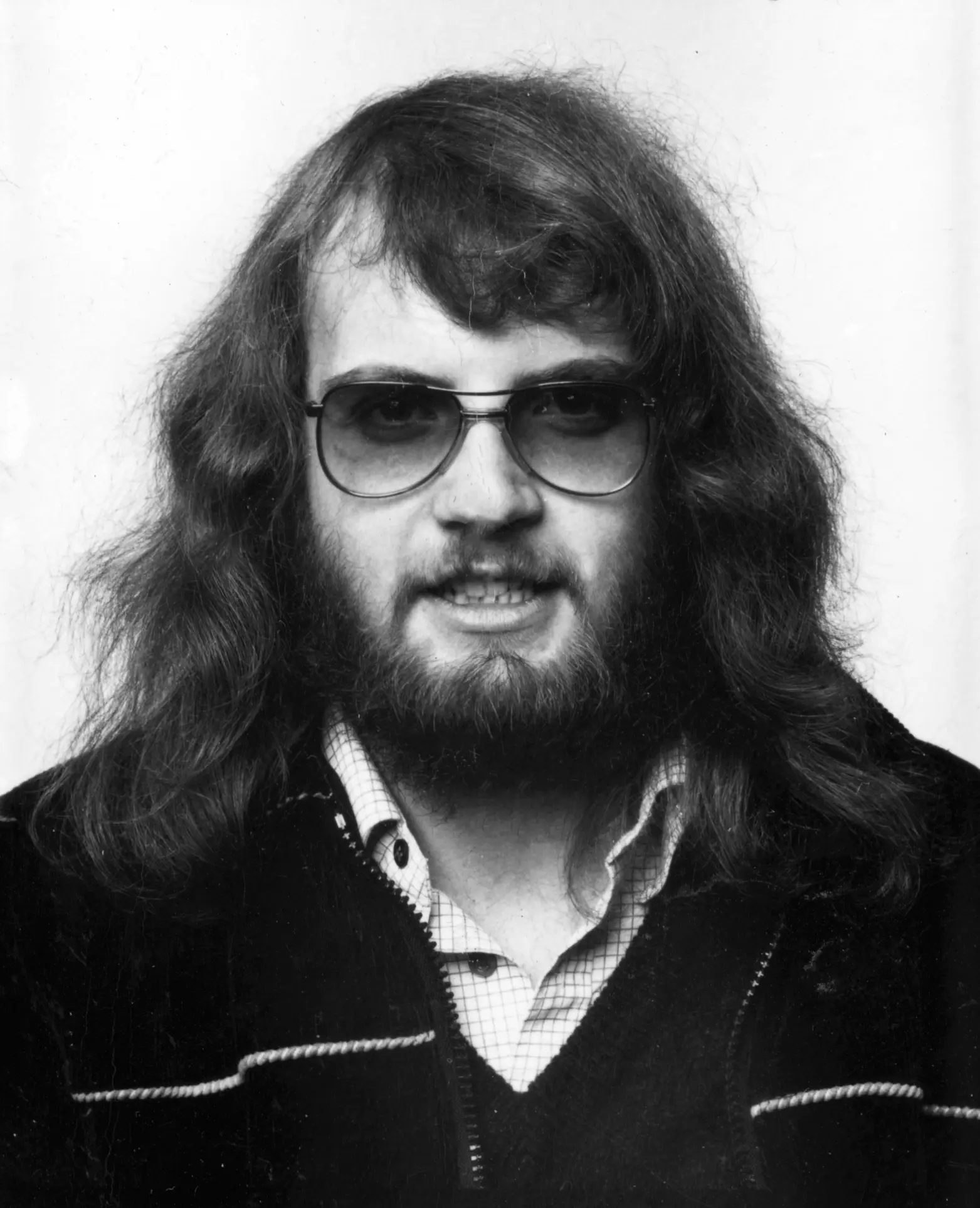
My route into concert photography was hardly conventional.
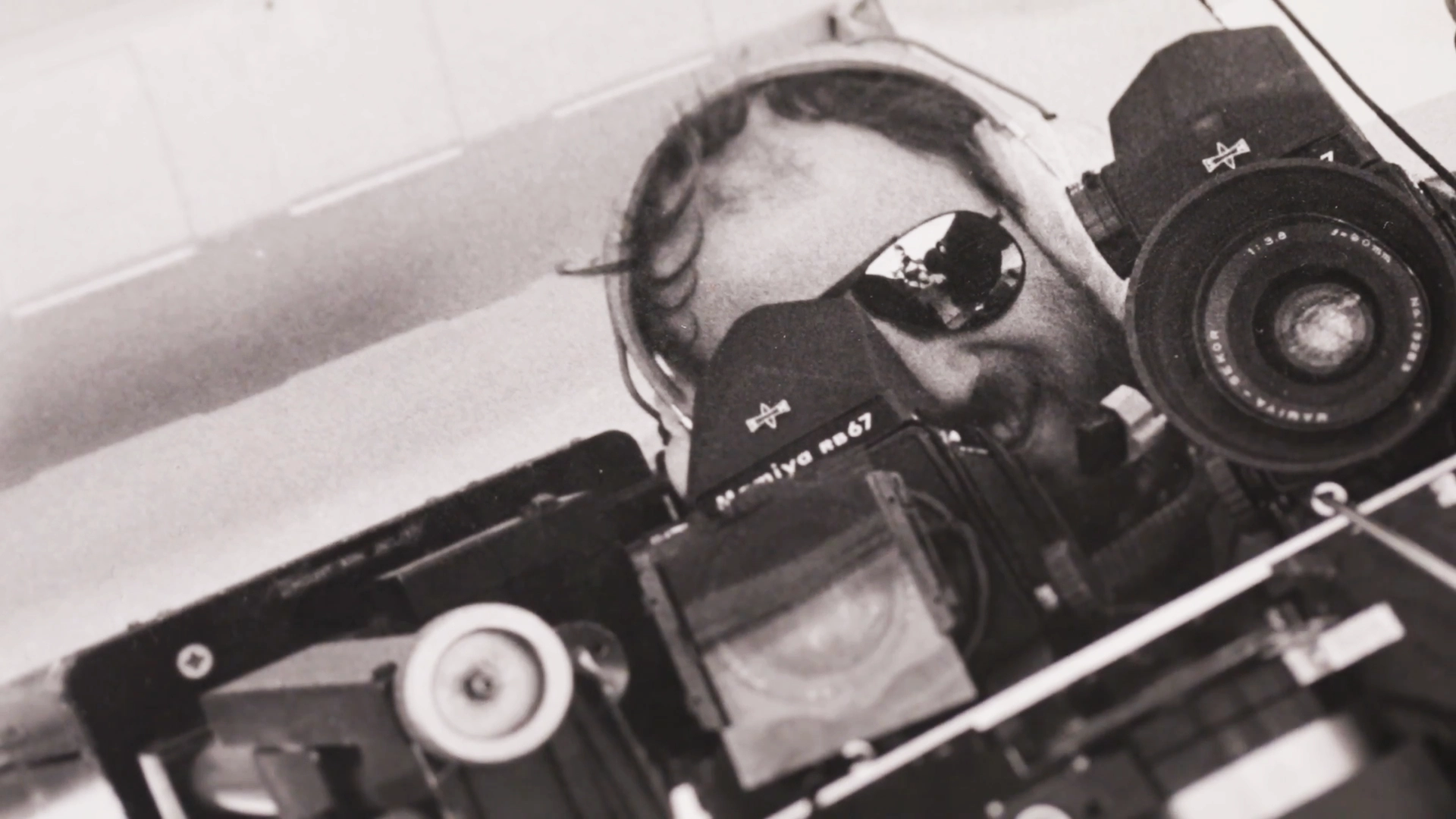
After a disastrous attempt to be a banker in the city and time spent numbering bus stops in Plymouth, in 1979 I found myself obtaining gainful employment as an apprentice assistant to a heavy-weight advertising photographer in London – I had an interest in photography but had no idea just how much I had to learn!
My introduction to live music photography came almost by chance. A conversation in a pub in 1980 led to my first photo pass and the opportunity to photograph Graham Parker and The Rumour at Hammersmith Odeon.
And thus began my career shooting live rock ‘n’ roll gigs from which these images are now being seen for the first time in the public domain.
Access all areas
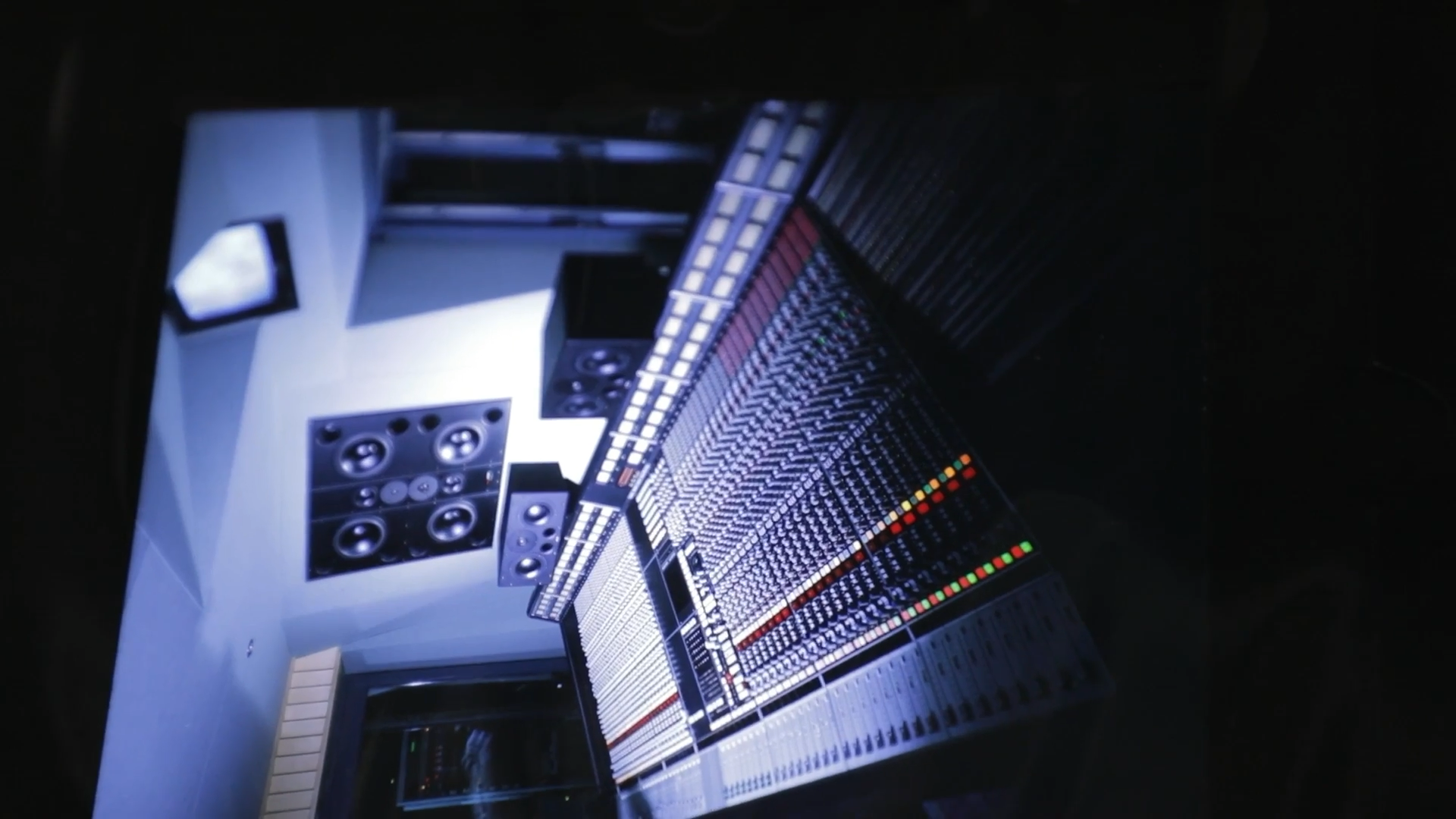
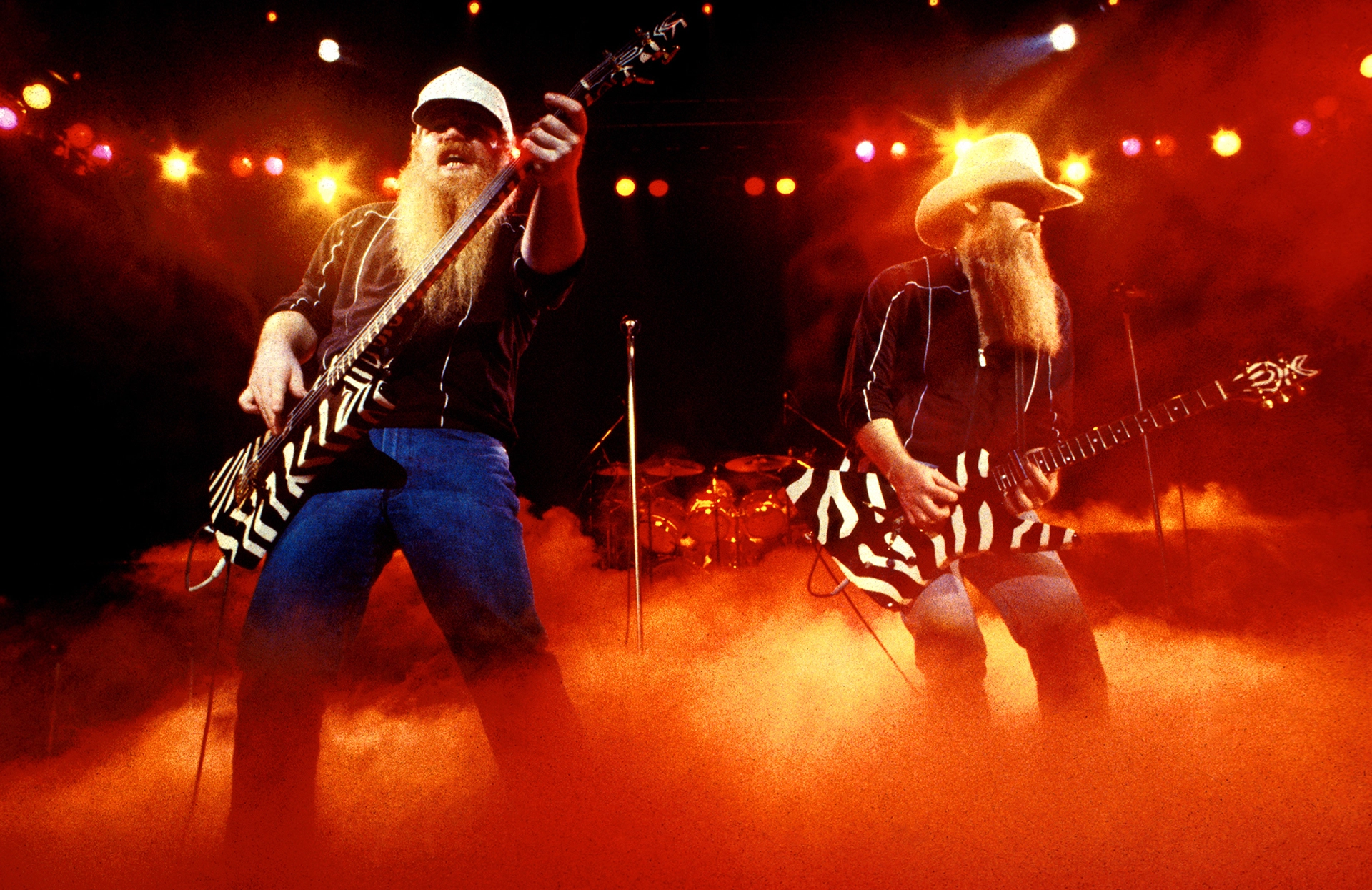
Just to clarify, my clients were lighting, sound, and production companies as well as the bands themselves, so my images showed the rigs and effects – not just the ‘hero shots’ used in the likes of NME, Melody Maker and Kerrang.
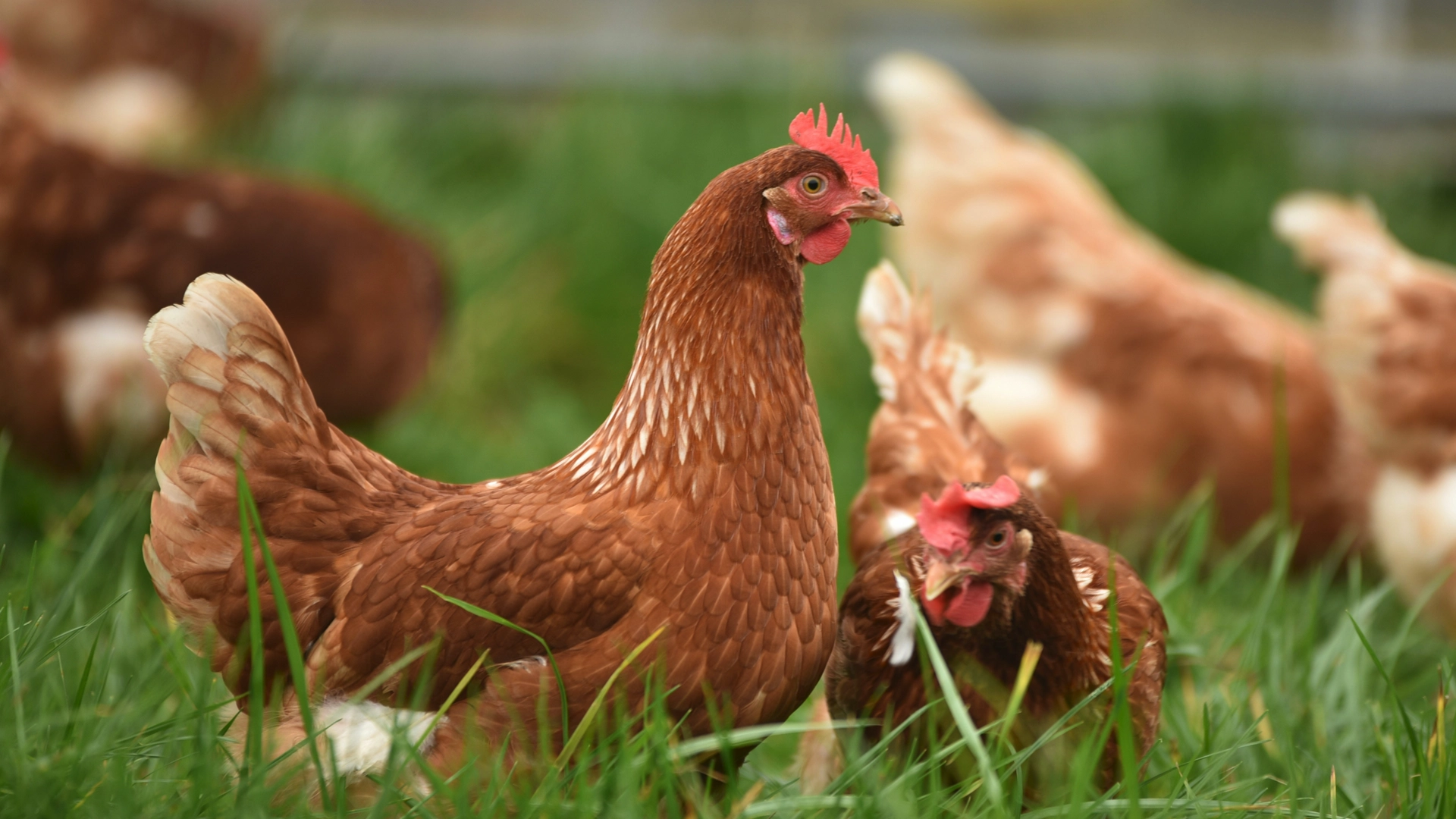
My approach to shooting worked really well for lighting and staging companies – assignments rolled in and as my network grew it began to get me access to places others could not. I had remote-controlled cameras in the trussing and built a R/C car with its own remote-controlled camera to drive on stage to shoot up at main guitarist etc – fun indeed! – and used to shoot free-range chickens in a field for a leading UK supermarket chain… don’t ask!
Photographing before digital
No LCD screens. No bursts of 100 frames. Just instinct, experience and film
max per roll of film
to expose an entire film
before you could see the results
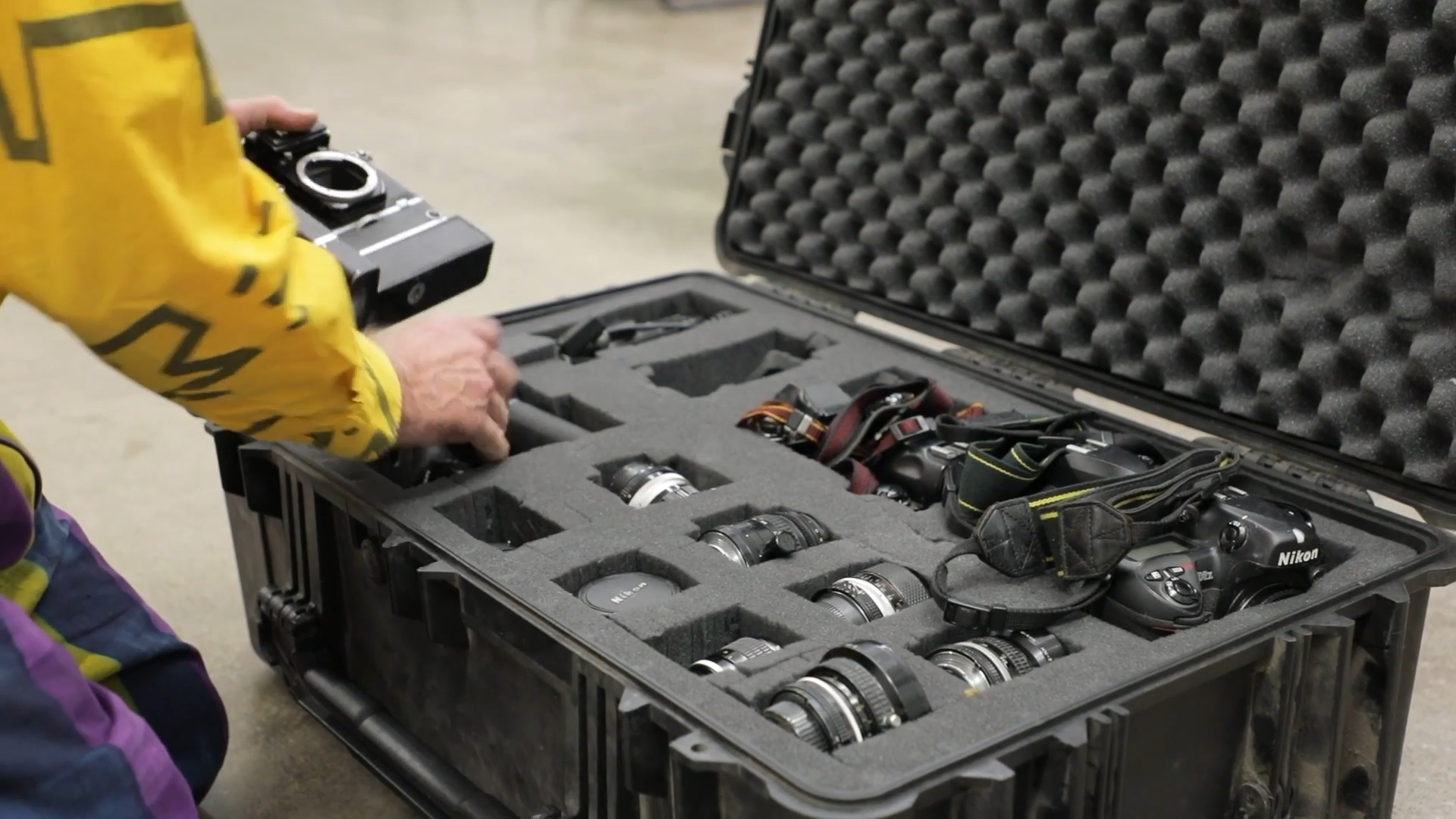
Focus and exposure were judged manually. Different film speeds meant carrying separate cameras, while fast prime lenses were essential in the low light.
Each roll provided no more than 36 exposures, so every frame mattered.
I worked with Nikon F2 and F3 cameras fitted with motor drives. A complete roll could be exposed in nine seconds and rewound in four – but film was expensive.
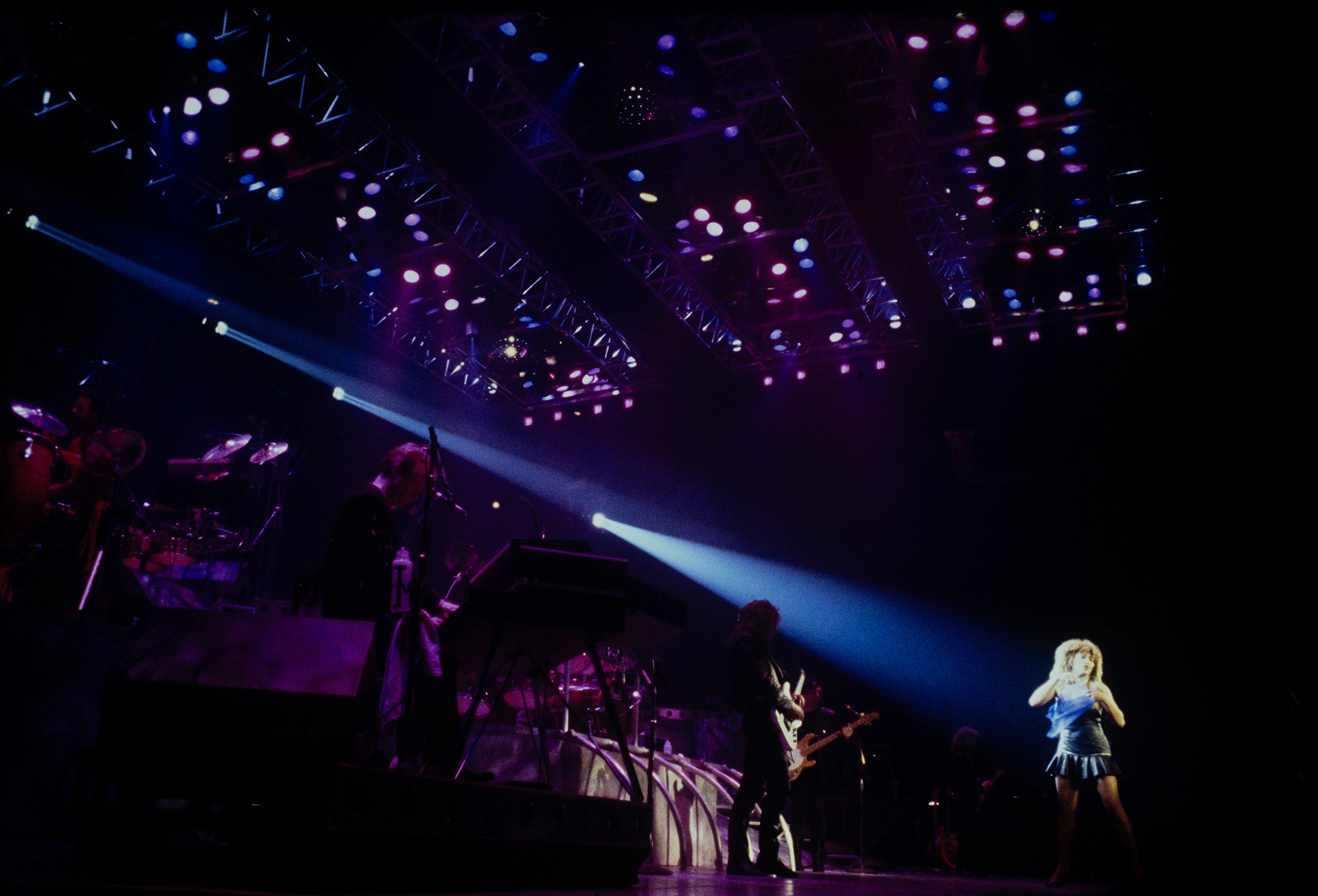

You trusted your judgement.
You chose the moment – and hoped you’d caught it.

Why ‘The Unseen Collection’?
Well, my pictures were very rarely published in the public domain, being used in the Professional Audio World for ads, in tour brochures and as framed prints hanging on clients’ walls. And it is only now that I’ve finally got around to opening up the books so to speak.
I hope you enjoy them as much as I do!
Aside from the music…
Not every story happens on stage. Some of my favourite assignments took me somewhere completely different. That’s the beauty of saying ‘yes’.
The music never really stopped
Explore the archive and discover photographs that have waited decades to be seen.
The music never really stopped
Explore the archive and discover photographs that have waited decades to be seen.


